When to Verticut: Best Times for a Lush, Moss-Free Lawn
Dreaming of a vibrant, verdant lawn that's the envy of your neighborhood? Many garden owners aspire to a dense, healthy carpet of green, but often find themselves battling persistent moss, stubborn weeds, and a dull, patchy appearance. The secret to transforming your turf lies in a powerful, yet often misunderstood, lawn care technique: verticutting. While it might sound intimidating, knowing
Wie Vertikutiert Man Richtig (how to verticut correctly) and, more importantly, *when* to do it, can unlock your lawn's full potential, leaving it lush, robust, and beautifully free of unwanted invaders.
Understanding Your Lawn's Needs: Why Verticutting Matters
Before diving into the optimal timing, it's crucial to understand what verticutting entails and why it's so vital for lawn health. At its core, verticutting is an intensive form of lawn aeration designed to remove thatch and moss. Thatch is a dense, matted layer of dead grass stems, roots, and organic debris that accumulates between the green blades of grass and the soil surface.
While a thin layer of thatch can be beneficial, providing insulation and some moisture retention, an excessive build-up creates a multitude of problems:
- Nutrient Barrier: Thatch prevents essential nutrients from reaching the soil and grass roots.
- Water Repellency: It can act like a sponge, holding water near the surface or, conversely, shedding it, preventing it from penetrating the soil.
- Restricted Airflow: It stifles the crucial flow of oxygen to the root zone, weakening the grass.
- Pest and Disease Haven: The damp, sheltered environment within thick thatch is an ideal breeding ground for pests and fungal diseases.
- Moss and Weed Growth: Thatch-induced nutrient and oxygen deprivation weakens grass, making it susceptible to aggressive invaders like moss and weeds, which tolerate poor conditions better.
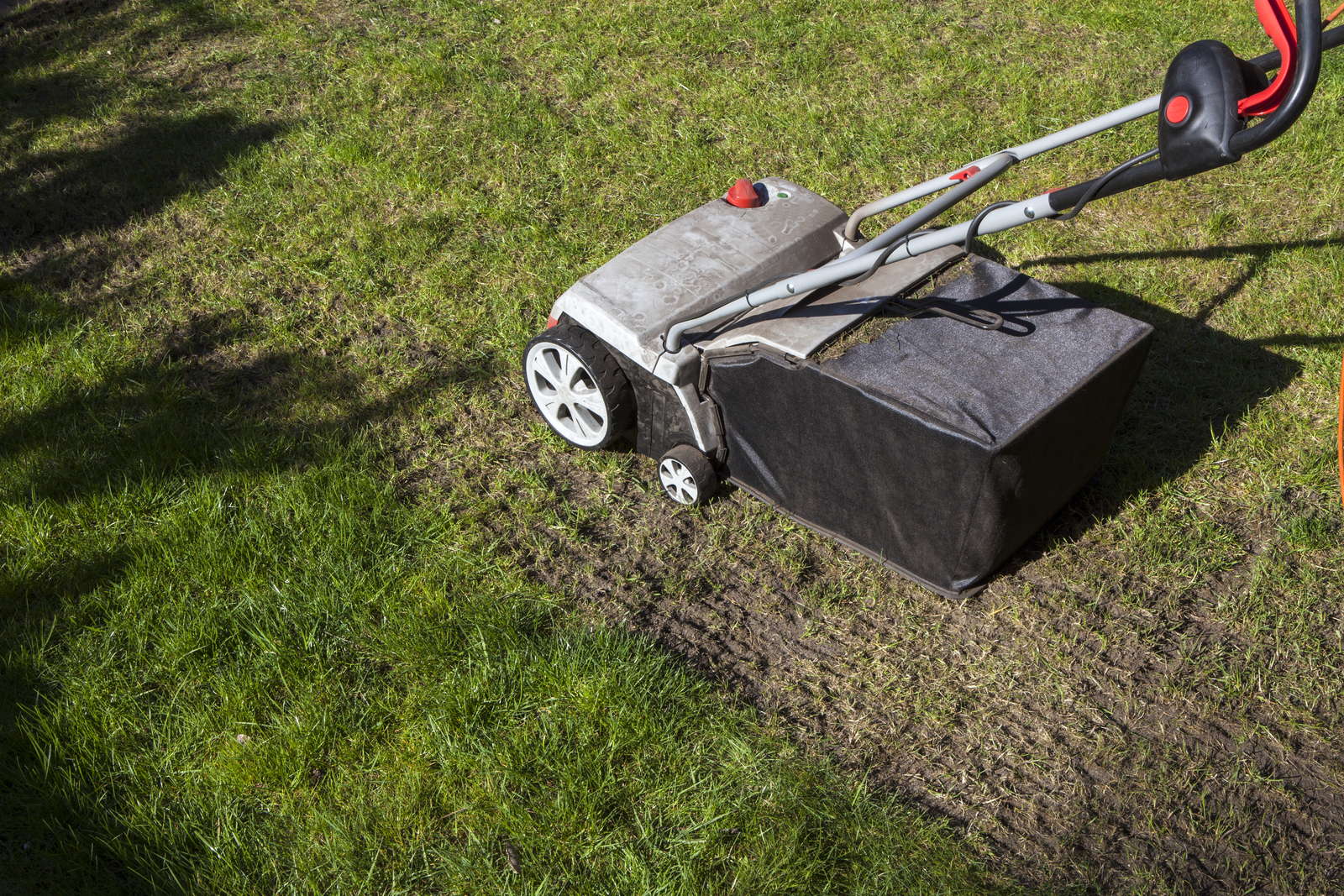
This is where verticutting steps in. Unlike simple aeration, which creates holes in the soil, verticutting uses sharp, rotating blades that slice vertically into the turf. These blades penetrate the lawn to a precise depth, typically 3-4 millimeters, effectively cutting through and lifting out the problematic thatch layer, moss, and any lingering organic debris like leftover clippings from autumn.
The benefits are profound:
- Improved Aeration: Oxygen can finally reach the grass roots.
- Enhanced Water & Nutrient Absorption: Water and fertilizers can penetrate the soil deeply, nourishing the grass effectively.
- Stronger Roots: With better access to resources, roots grow deeper and stronger.
- Denser, More Resilient Turf: The removal of competition encourages new grass growth, leading to a thicker, more wear-resistant lawn.
- Moss & Weed Control: By removing their preferred habitat and improving lawn health, verticutting naturally reduces moss and weed populations.
Understanding this process is the first step in learning
how to verticut correctly (Wie Vertikutiert Man Richtig), ensuring your efforts yield a truly revitalized lawn.
The Prime Seasons: When to Verticut for Optimal Results
Timing is paramount when it comes to verticutting. Applying this intensive treatment at the wrong time can stress your lawn rather than help it. The general window for verticutting in most temperate climates extends from
March to September, but specific conditions narrow this down to two ideal periods: spring and early autumn.
Spring: The Primary Window for Rejuvenation
Spring is undoubtedly the best time for your lawn's first verticut of the year. After the dormancy of winter, the grass is beginning its active growth phase, making it robust enough to recover quickly from the treatment.
- Ideal Temperature: Wait until ambient air temperatures consistently range between 15°C and 20°C (59°F and 68°F). This typically means late March, April, or early May, depending on your specific region. These temperatures ensure the grass is actively growing and has the energy to heal.
- Post-Winter Assessment: Spring verticutting allows you to remove any thatch or moss that accumulated over the winter months, preparing your lawn for vigorous summer growth.
- Timing Relative to Mowing: It's best to verticut after the lawn has been mowed once or twice, ensuring it has begun to green up and is showing signs of active growth.
Early Autumn: The Secondary Window for Preparation
A second, less intensive verticut can be beneficial in early autumn, typically in September.
- Post-Summer Recovery: This helps remove any thatch that built up during the heavy use and growth of summer.
- Winter Preparation: Clearing out debris before winter helps prevent moisture retention and fungal diseases over the colder months, giving your lawn a healthier start next spring.
- Temperature Check: Again, ensure temperatures are still mild (15-20°C) and there's no immediate threat of frost, allowing the lawn sufficient time to recover before winter dormancy sets in.
When to Avoid Verticutting
- Summer Heat: Absolutely avoid verticutting during the peak of summer, especially when temperatures are high and the lawn is under drought stress. The treatment would add immense stress, potentially causing irreversible damage.
- Frost: Never verticut when the ground is frozen or when frost is imminent.
- Dormancy: Avoid verticutting when the grass is dormant or not actively growing, as it won't have the energy to recover.
How to Tell if Your Lawn Needs Verticutting:
Beyond the calendar, your lawn will tell you when it needs attention. A simple test is to drag a sturdy garden rake across the grass. If you pull up a significant amount of matted organic material (thatch), or if you can easily pull up a dense layer of spongy material between the green blades and the soil, it's time to verticut. Other indicators include visible moss, patchy growth, water pooling on the surface, or fertilizers not yielding desired results.
Aerating vs. Verticutting: Knowing the Difference
It's common for homeowners to confuse verticutting with aeration, or "aerifying." While both are crucial for lawn health, they serve distinct purposes and involve different techniques. As expert Michael Gröstenberger wisely advises, "both applications simultaneously make no sense. Depending on the condition of the lawn, you have to decide: either thoroughly till or gently stroke."
- Aerating (Lüften): This process involves creating small holes in the lawn, either by punching solid tines or removing plugs of soil (core aeration). Its primary goal is to alleviate soil compaction, allowing air, water, and nutrients to penetrate deeper into the soil structure. Aeration promotes deeper root growth and improves overall soil health. It's a gentler process and can often be done more frequently, even year-round in some cases, without stressing the lawn too much.
- Verticutting (Vertikutieren): As discussed, verticutting uses vertical blades to physically cut into the thatch layer and remove it along with moss. It's a more aggressive treatment focused on clearing surface debris and revitalizing the upper layer of the turf.
Think of it this way: aeration is like giving your soil a deep breath, while verticutting is like exfoliating your lawn's surface. If your primary issue is compacted soil and poor water drainage, aeration is your friend. If you're battling thick thatch, moss, and surface debris, verticutting is the targeted solution. For a comprehensive understanding of which method suits your lawn best, explore our guide on
Verticutting vs. Aerifying: Choosing the Right Care for Your Grass.
Practical Steps for Effective Verticutting: Wie Vertikutiert Man Richtig
Once you've determined that verticutting is needed and the timing is right, executing the process correctly is crucial for success. Here’s
Wie Vertikutiert Man Richtig to achieve optimal results:
- Mow Your Lawn Short: Before verticutting, mow your lawn to its lowest recommended height, typically around 2-3 cm (about 1 inch). This exposes the thatch layer, allowing the verticutter blades to work more effectively.
- Ensure Soil Moisture: The soil should be slightly moist, not waterlogged and not bone dry. Watering your lawn a day or two before verticutting can help, as moist soil is easier for the blades to penetrate without causing excessive tearing.
- Clear Debris: Remove any leaves, twigs, or other large debris from the lawn surface.
- Set the Blade Depth Correctly: This is perhaps the most critical step. The blades should penetrate the soil by only about 3-4 millimeters (about 1/8 to 1/6 inch). The goal is to slice into the thatch and just tickle the soil, not to rip up grass roots or churn the earth. Test the depth on a small, inconspicuous area first and adjust as needed. This precise setting is key to verticutting correctly (Wie Vertikutiert Man Richtig).
- Verticut in Parallel Strips: Push or drive the verticutter across your lawn in straight, parallel lines, similar to mowing. Overlap each pass slightly to ensure even coverage. For very heavy thatch, you might consider a second pass perpendicular to the first, but this should be done with caution and only if absolutely necessary, as it significantly increases stress on the lawn.
- Collect the Debris: Verticutting will pull up a surprising amount of dead material. If your verticutter has a collection bag, use it. Otherwise, immediately rake up all the removed thatch and moss. Leaving it on the lawn will negate your efforts and could harm the grass.
- Post-Verticutting Care: Your lawn will look a bit rough and sparse immediately after verticutting – this is normal! It's an ideal time to nourish and revitalize it:
- Fertilize: Apply a high-quality lawn fertilizer to provide essential nutrients for recovery and new growth.
- Overseed: If you have thin or bare patches, overseeding immediately after verticutting is highly recommended. The loosened soil and improved seed-to-soil contact create an excellent environment for germination.
- Water: Water the lawn thoroughly after fertilizing and overseeding, and continue to water regularly (but not excessively) over the next few weeks to aid recovery.
Conclusion
A vibrant, healthy, and moss-free lawn is an achievable dream for any garden owner. By understanding the critical role of verticutting in removing restrictive thatch and moss, and by timing the process correctly in spring or early autumn when temperatures are mild, you set your lawn up for success. Remember, knowing
Wie Vertikutiert Man Richtig—from proper depth setting to post-care—is just as important as knowing *when*. Embrace this powerful technique, and you'll soon be enjoying a denser, more resilient, and truly lush green space that adds beauty and value to your home.