Every garden enthusiast dreams of a lawn that boasts a rich, vibrant green hue. Achieving this coveted carpet of grass often involves more than just regular mowing and watering. To truly thrive, your lawn needs thoughtful care that addresses its underlying health. Two crucial, yet distinct, practices that stand at the forefront of robust lawn maintenance are verticutting and aerifying. While both aim to improve your lawn's vitality, they tackle different issues and require specific approaches.
Understanding the nuances between these two techniques is paramount for anyone looking to cultivate a strong, resilient turf. Do you opt for a gentle 'massage' or a more intensive 'workout' for your grass? This article will delve deep into both methods, helping you decide which treatment is right for your lawn, ensuring it stays lush and healthy year-round.
Understanding Your Lawn's Needs: Verticutting vs. Aerifying
At first glance, verticutting and aerifying might seem interchangeable, both involving machines that interact with your lawn's surface. However, their mechanisms and objectives are quite different. Knowing which one to apply, and when, is key to successful lawn care.
What is Verticutting? Tackling Thatch and Moss Head-On
Verticutting, often considered the more aggressive of the two treatments, is an essential practice for lawns suffering from excessive thatch, moss, or surface compaction. It involves using a specialized machine, a verticutter, equipped with vertical blades that slice into the lawn's surface. These blades penetrate the turf to a shallow depth, typically around three to four millimeters.
The primary goal of verticutting is to remove accumulated organic matter – known as thatch – and moss. Thatch is a dense layer of dead grass stems, roots, and other organic debris that builds up between the soil surface and the green grass blades. While a thin layer of thatch can offer some insulation, an excessive buildup acts like a suffocating blanket. It prevents water, air, and nutrients from reaching the grass roots, creating an ideal environment for weeds and diseases, and making your lawn less resilient.
When asking, "Wie vertikutiert man richtig?", it's crucial to understand that the blades are designed to cut through this fibrous thatch and moss, not to dig deep into the soil or sever healthy grass roots. By removing this impediment, verticutting achieves several vital benefits:
- Improved Air Circulation: More oxygen can reach the grass roots, vital for healthy growth.
- Enhanced Water Penetration: Water can more easily soak into the soil, rather than pooling on the surface or running off.
- Better Nutrient Absorption: Fertilizers become more effective as they can reach the root zone.
- Reduced Moss and Weed Growth: By removing their competitive environment, moss and many weeds struggle to establish.
- Increased Density and Durability: Healthy roots lead to stronger, denser turf that can better withstand foot traffic and stress.
A tell-tale sign that your lawn might benefit from verticutting is significant moss growth or a spongy feeling when you walk on it, indicating a thick thatch layer. Weeds thriving despite regular care can also point to nutrient deprivation caused by thatch.
What is Aerifying? Gentle Soil Loosening and an Oxygen Boost
Aerifying, often referred to as lawn aeration or 'lüften' in German, is a gentler process focused on improving soil structure and providing better access for essential elements to the grass roots. Instead of blades, aerifiers typically use small, rotating steel springs or tines that comb through the grass, lightly loosening the topsoil and pulling up minor debris.
This process is less about aggressive removal and more about fostering a healthier subsurface environment. By creating small openings and lightly disturbing the soil, aerifying helps to:
- Increase Oxygen to Roots: Loosened soil allows more air to penetrate, feeding the roots with much-needed oxygen.
- Improve Water and Nutrient Uptake: Water and soluble nutrients can more easily reach the root system, preventing runoff and maximizing fertilizer effectiveness.
- Stimulate Root Growth: Better access to air and water encourages deeper and stronger root development.
- Remove Light Thatch: While not as aggressive as verticutting, aerifying can pick up loose grass clippings and very thin layers of thatch, sending them to a collection bag.
- Enhance Overall Lawn Vigor: A well-aerated soil environment creates the optimal conditions for grass to grow dense and vibrant.
Aerifying is ideal for general lawn maintenance, especially in areas with mild soil compaction, or as a preventative measure to keep your lawn in top condition. It's like giving your lawn a refreshing comb-through, allowing it to breathe more easily and absorb what it needs.
Key Differences and Choosing the Right Approach
The fundamental difference lies in their intensity and primary objective. Verticutting is a corrective measure for lawns with significant problems like heavy thatch and moss, akin to a deep clean or an intensive repair. Aerifying is more of a maintenance or preventative treatment, ensuring consistent soil health and optimal root function.
As lawn care expert Michael Gröstenberger wisely advises, "Both applications simultaneously make no sense. Depending on the condition of the lawn, one must decide: either properly cultivate or gently stroke." This highlights that while both are beneficial, they address different needs at different times. You wouldn't use a pressure washer to dust delicate furniture, just as you wouldn't use a feather duster to clean stubborn grime. Choosing correctly hinges on accurately assessing your lawn's current state.
How to assess your lawn:
- The Finger Test: Dig your fingers into the grass. If you can't easily reach the soil because of a thick, springy layer, you likely have excessive thatch.
- The Thatch Pull Test: Pull up a small section of grass by hand. Examine the layer between the green blades and the soil. If it's thicker than half an inch (about 1.25 cm), verticutting is probably in order.
- Visual Cues: Look for widespread moss, patchy growth, yellowing grass despite adequate watering, or water pooling on the surface after irrigation.
If your lawn shows significant signs of distress, compaction, or a thick thatch layer, verticutting is the more appropriate, albeit more intensive, solution. If your lawn is generally healthy but you want to maintain its vigor and prevent future issues, regular aerifying is an excellent choice.
Mastering the Technique: Wie Vertikutiert Man Richtig?
Whether you choose verticutting or aerifying, proper execution is crucial to maximize benefits and avoid damaging your lawn. Understanding the correct steps for each process ensures a healthier, greener outcome.
The Verticutting Process: A Step-by-Step Guide
For those asking, "Wie vertikutiert man richtig?" – here’s a guide to ensure you do it effectively:
- Mow Your Lawn Short: Before verticutting, mow your lawn to its lowest recommended height, typically around 2-3 cm. This allows the verticutter blades better access to the thatch layer.
- Check for Debris: Remove any stones, branches, or other obstacles that could damage the verticutter blades.
- Set Blade Depth: This is critical. The blades should penetrate the soil surface by only about three to four millimeters. You want to cut through the thatch and moss, not deep into the soil or sever healthy grass roots. Test a small, inconspicuous area first.
- Make Overlapping Passes: Verticut your lawn in straight, parallel lines, similar to mowing. Slightly overlap each pass to ensure comprehensive coverage. For very severe thatch or moss, a second pass at a 90-degree angle to the first can be beneficial, but this should be done with caution.
- Collect Debris: Verticutting will pull up a significant amount of dead grass, moss, and thatch. Rake this material thoroughly or use a verticutter with a collection bag. Leaving this debris on the lawn can negate the benefits.
- Post-Verticutting Care: Your lawn will look quite ragged immediately after verticutting – this is normal! It's an opportune time for Expert Guide: Verticut Your Lawn for Optimal Health and Density. Consider overseeding with fresh grass seed, especially in bare or thin areas, and apply a suitable lawn fertilizer to aid recovery and promote new growth. Water your lawn thoroughly after these steps to help the seeds germinate and the fertilizer settle in.
Effective Aerifying: Loosening Your Soil Gently
Aerifying is generally simpler and less disruptive:
- Prepare Your Lawn: Mow your lawn to its regular height. It's best to aerify when the soil is moist but not waterlogged, as this makes penetration easier for the tines or spikes.
- Choose Your Method:
- Spiked Shoes: Simple, inexpensive, but offer limited effectiveness for dense compaction.
- Rolling Aerators: Manual or tow-behind devices with spikes that pierce the soil. Better for larger areas than shoes.
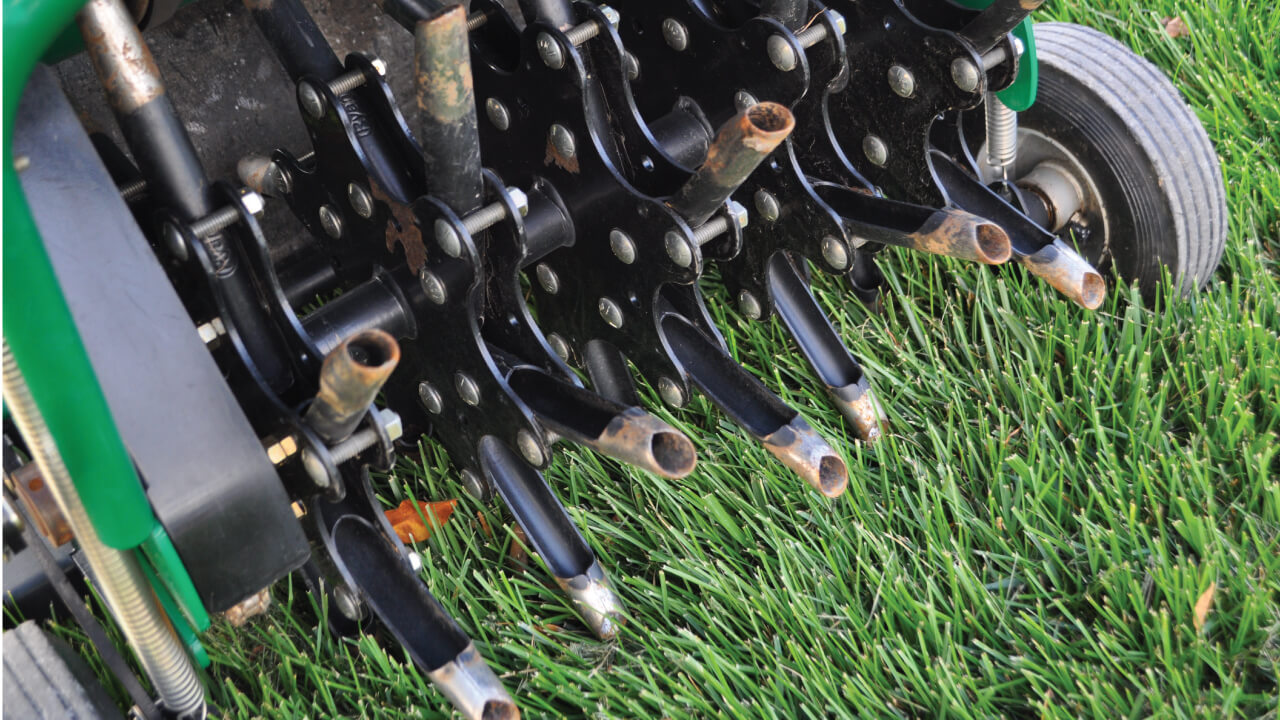
- Core Aerators: These are the most effective, as they remove small plugs of soil (cores) from the lawn, creating channels for air, water, and nutrients. They can be rented or purchased for larger lawns.
- Make Overlapping Passes: Similar to verticutting, work in straight, overlapping lines to ensure even coverage.
- Post-Aerifying Care: If using a core aerator, you can leave the soil plugs on the lawn; they will break down naturally, returning valuable organic matter and microorganisms to the soil. After aerating, it's an excellent time to apply fertilizer or overseed, as these will have direct access to the loosened soil. Water your lawn thoroughly.
Timing is Everything: When to Verticut and Aerify
The effectiveness of both verticutting and aerifying heavily depends on performing them at the right time. Applying these treatments during periods of stress for your lawn can do more harm than good.
Optimal Timing for Verticutting
The best time to verticut your lawn is typically in the spring, once the grass has started actively growing, usually from March to May. The ideal daily temperatures should consistently range between 15 and 20°C (59-68°F). This allows the lawn to recover quickly from the intensive treatment and take advantage of the favorable growing conditions.
An alternative window for verticutting is early autumn (September/October), especially if your lawn suffered from significant moss buildup over the summer. However, ensure there's enough time for the grass to recover before the cold winter months arrive. Avoid verticutting in the peak of summer when the lawn is under heat stress or during drought conditions, as this can severely damage the grass. For more detailed insights, refer to our article on When to Verticut: Best Times for a Lush, Moss-Free Lawn.
When to Aerify Your Lawn
Aerifying is more flexible and can theoretically be done almost any time the grass is actively growing, though spring and early autumn are generally preferred. These periods offer moderate temperatures and sufficient moisture for quick recovery. Unlike verticutting, which is best done once or twice a year, aerifying can be done more frequently if your lawn experiences heavy foot traffic or has persistent compaction issues. Just ensure the soil is moist enough to allow the aerator to penetrate effectively.
Achieving a picture-perfect lawn is a journey, not a destination. Both verticutting and aerifying are powerful tools in your lawn care arsenal, each addressing specific needs to ensure your grass remains healthy, dense, and vibrant. While verticutting provides a crucial intervention for issues like thatch and moss, aerifying offers consistent maintenance for optimal soil health. By understanding their differences, assessing your lawn's unique condition, and timing your interventions correctly, you can make informed choices that lead to a truly magnificent green space. Embrace these practices, and watch your lawn transform into the lush, resilient carpet you've always desired.